Cranford landlords garden services for quick rental turnarounds
If you let property in Cranford, you already know the garden can make or break a viewing. A scruffy lawn, overgrown hedge, or patio covered in leaves can make a perfectly good rental feel tired before the tenant has even stepped inside. That is why Cranford landlords garden services for quick rental turnarounds matter so much: they help you reset the outdoor space quickly, present the property properly, and reduce the gap between tenancies.
In practice, this is less about "landscaping for the sake of it" and more about fast, dependable presentation work. Think tidy borders, safe access paths, trimmed hedges, cleared waste, and lawns that look cared for rather than forgotten. Done well, it saves time, helps photographs look sharper, and gives prospective tenants the impression that the whole property is well managed. Not a bad start, really.
Below, we will break down how these services work, what landlords should prioritise, where the common pitfalls are, and how to decide which tasks genuinely speed up a turnaround. If you want a broader view of what's available, it can also help to look at the full services overview and the more specific garden maintenance options.
Table of Contents
- Why this matters for landlords
- How the service works
- Key benefits and practical advantages
- Who needs this and when it makes sense
- Step-by-step guidance
- Expert tips for better results
- Common mistakes to avoid
- Tools, resources and recommendations
- Law, compliance and best practice
- Options and comparison table
- Case study example
- Practical checklist
- Conclusion
- Frequently asked questions
Why Cranford landlords garden services for quick rental turnarounds Matters
When a tenancy ends, the clock starts ticking. Every day the property sits empty is another day of lost rent, more coordination, and more pressure on the next move-in date. The garden often becomes one of the fastest visible ways to improve the property without going into a full refurbishment.
That is especially true in Cranford, where many rentals need to be turned around between occupants with very little breathing room. You may have a cleaner booked, a decorator coming in, keys being handed back, and an agent asking for photos all in the same week. In that scramble, the outdoor area can get missed. And once it is missed, the whole place can feel unfinished.
A practical garden service helps with three things at once:
- Speed - jobs like mowing, hedge trimming, and clearance can be completed quickly.
- Presentation - a neat garden makes the property easier to market and view.
- Risk reduction - removing debris, trip hazards, and hidden waste helps avoid awkward surprises.
To be fair, the garden does not need to look like a show home. It just needs to look intentional. A trimmed hedge, a cut lawn, and a swept path often do more than a costly overhaul. The difference is immediate; you notice it the moment you step outside.
Expert summary: For landlords, the fastest garden work is usually the work that removes neglect first, then restores shape and safety second. That sequence matters when you are racing a move-out deadline.
How Cranford landlords garden services for quick rental turnarounds Works
In real terms, the process is usually straightforward. A landlord, letting agent, or property manager identifies the outdoor issues, requests the necessary work, and books the visit around the end of tenancy timeline. A focused team then completes the practical tasks needed to get the garden ready for the next viewing or check-in.
A good turnaround service often includes some combination of the following:
- lawn mowing and edge tidying
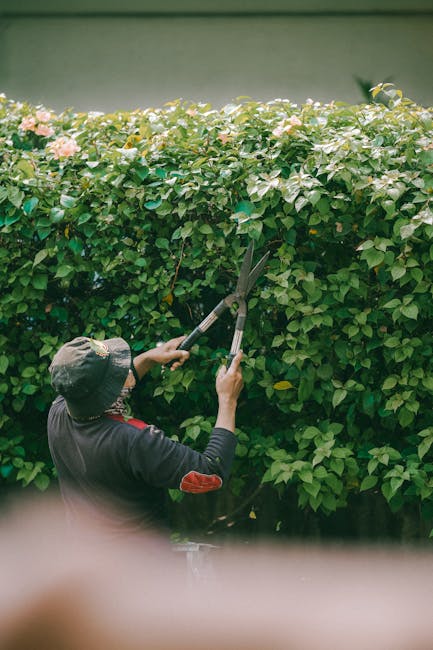
- hedge trimming and shaping
- garden clearance and waste removal
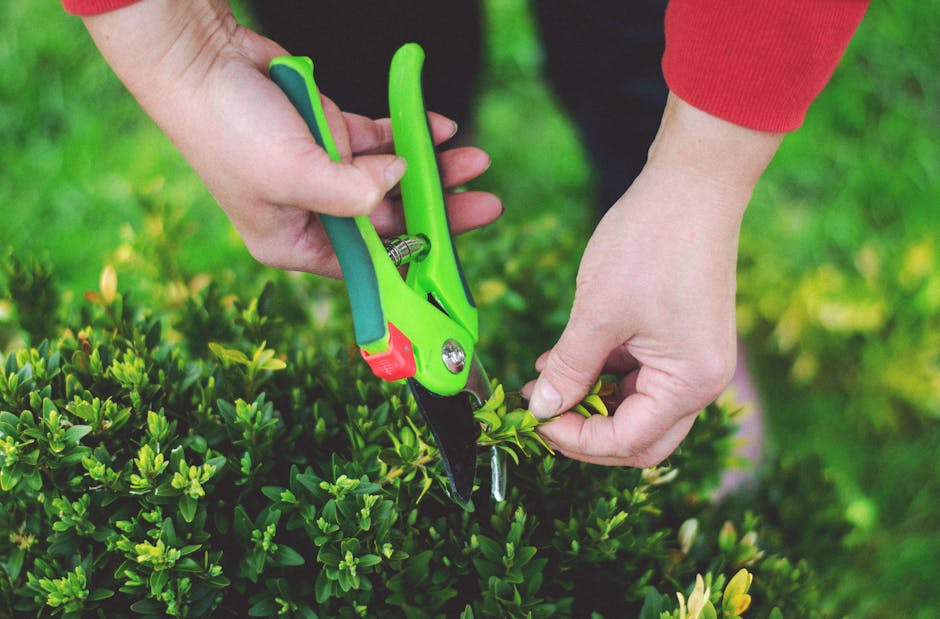
- basic garden maintenance
- tree pruning or safer reduction work where appropriate
- minor landscaping or surface tidy-ups
If the space has become heavily neglected, clearance usually comes first. For that, garden clearance is often the best starting point because it removes the clutter and makes the rest of the work easier. Once the site is clear, a team can move on to mowing, cutting back growth, and making the garden presentable again.
Some landlords also choose to combine tasks. That can save a lot of faffing about. For example, if the front and back garden are both part of the letting impression, it may make sense to pair lawn mowing with hedge work and a quick tidy of the borders. If the boundary line has become unruly, hedge trimming can make the whole place look more ordered in one visit.
The key is coordination. The best turnaround jobs are not random bits of gardening; they are planned around the property's next deadline. A small patch of grass can be cut at short notice. A badly overgrown space, less so. There is a difference, and it is worth being honest about it.
Key Benefits and Practical Advantages
The obvious benefit is speed. But there is more going on than that. A well-managed garden service can support the whole letting process in ways landlords sometimes only notice after the fact.
1. Faster marketing
Fresh photos perform better when the garden looks tidy. Even a modest outdoor area can help a listing stand out if the grass is cut and the edges are clean. That first impression is powerful. Sometimes annoyingly so.
2. Better tenant perception
Prospective tenants often read the garden as a sign of how the property is maintained overall. A neat outside area suggests the landlord takes care of the home, not just the boiler and the lock on the door.
3. Less stress during void periods
Void periods are stressful enough without wrestling with brambles, bins, broken fencing, and leaf build-up. Getting the outdoor area sorted gives you one less thing to chase.
4. Reduced safety and access issues
Overgrown paths, slippery surfaces, and hidden waste can create avoidable hazards. A quick tidy does not solve every problem, but it reduces the obvious ones. That matters for inspections, trades access, and move-in day.
5. More predictable maintenance costs
Regular light maintenance is usually easier to budget for than occasional big rescues. In other words, a little care now often prevents a much bigger job later. Gardens have a habit of punishing neglect. Fairly quickly too.
If you want a more joined-up approach, it can help to think beyond one-off tidy-ups. Scheduled garden maintenance can be especially useful for landlords with multiple properties or repeat turnovers. It keeps the outdoor space in a state where it can be handed back to the market quickly, rather than rescued from scratch each time.
Who This Is For and When It Makes Sense
This type of service is not only for large landlords with a portfolio. It makes sense for anyone who needs a property to move from one occupant to the next without looking tired or neglected.
- Private landlords who need a quick refresh after notice is given
- Letting agents managing end-of-tenancy presentation
- Property managers handling multiple void periods at once
- Developers and investors preparing a rental launch
- Landlords with older gardens that quickly become overgrown
It makes the most sense when time is tight and the outside space affects the letting value of the property. A flat with a tiny patio may need only a sweep and a prune. A house with a lawn, hedges, and a rear access path may need a more structured refresh.
Here is the tricky bit: some landlords wait until the garden looks "bad enough" before acting. By then, the job is bigger, slower, and usually more expensive than it needed to be. If you are hearing yourself say, "it'll do for now," that is usually the warning sign. Truth be told, that phrase is expensive in property management.
Step-by-Step Guidance
If you want a fast turnaround, work from a clear sequence. Rushing randomly tends to create more delay, not less.
- Inspect the garden carefully. Look for overgrowth, waste, broken branches, slippery surfaces, and blocked access points.
- Decide what affects presentation first. Focus on the parts tenants and agents will notice immediately: lawn, entrances, hedges, paths, and visible debris.
- Separate clearance from maintenance. If the garden has been left to build up, clearance should usually happen before tidying and shaping.
- Book work around the move-out schedule. Try to align the service with key dates such as inventory, cleaning, or photography.
- Ask for a practical scope. Be clear about whether you want a basic tidy, full clearance, or a more presentable finish for marketing.
- Prioritise access and safety. Ensure paths, steps, gates, and side returns are usable before the next tenant arrives.
- Review the result before sign-off. Check the garden in daylight if possible. Morning light can reveal bits you missed the evening before.
For more involved plots, it may be worth combining immediate tidying with light reshaping. That might mean hedges brought back to a manageable line, turf cut evenly, and any damaged areas made less distracting. If there are branches interfering with light or access, tree lopping and removal may be relevant, but only where it is actually needed and appropriate.
And yes, it helps to have a backup plan for waste. A cleared garden still needs the debris to go somewhere, ideally without becoming a second project on the driveway.
Expert Tips for Better Results
After many turnaround jobs, a few patterns become obvious. The landlords who get the smoothest results are usually the ones who keep the brief clear and focus on visible impact rather than trying to "fix everything" in one visit.
Start with the front-facing areas
If the front garden or approach path is visible from the street, it should usually get priority. That is the part that shapes first impressions, especially during viewings. A neat front edge can hide a lot elsewhere. Not all of it, obviously, but enough.
Use the weather to your advantage
Dry days are usually best for cutting and clearance. Wet grass and muddy access make work slower and messier. If you have flexibility, schedule the work when the ground is less likely to churn up.
Do not overlook edges and corners
It is funny how often a garden looks "mostly fine" until you notice the corners. Sides, fence lines, and hidden borders often collect the worst of the clutter. Those are the spots a good team will check first.
Keep the brief practical
Use plain language. Instead of saying "make it nice," describe the result you need: "clear the rear garden, trim the hedge, mow the lawn, and make the access path presentable." That saves time and confusion for everyone involved.
Think in letting cycles
If a property turns over regularly, a one-off rescue is not always the smartest move. It may be more efficient to build in light recurring maintenance, so each void period begins with a garden that is already near market-ready.
There is also an environmental angle here. Choosing a provider with a sensible approach to waste handling and reuse can make the process feel cleaner and more responsible. If that matters to you, you may want to read about recycling and sustainability before deciding how you want clearance waste handled.
Common Mistakes to Avoid
Quick rental turnarounds can go wrong in predictable ways. Most of them are avoidable, which is the frustrating part.
- Leaving the garden until after the photos. The outside area is part of the marketing story. Do it first, not last.
- Booking only part of the work. A mown lawn with an overgrown hedge can still look neglected.
- Underestimating clearance time. Dense growth, hidden waste, and wet conditions can slow things down more than expected.
- Ignoring access routes. Side alleys, gates, and rear paths often need just as much attention as the main lawn.
- Forgetting safety checks. Broken fencing, loose paving, and overhanging branches should never be brushed aside.
- Trying to force a "premium" finish on a rescue job. Sometimes the real win is simply neat, safe, and ready. That's enough.
One common slip is expecting a garden to be transformed like magic from a single short visit. If the space is heavily neglected, the first job is recovery, not perfection. That distinction matters. It saves disappointment and keeps planning realistic.
Tools, Resources and Recommendations
You do not need to be a gardening expert to manage a turnaround well, but it does help to know what the work usually involves. A reliable service will commonly use standard tools for mowing, cutting, hedge shaping, pruning, and waste clearance. The exact kit matters less than whether the team can use it safely and efficiently.
From a landlord's point of view, the more useful "resources" are practical rather than technical:
- Property inspection notes so you can list what actually needs doing
- Recent photos so you can brief the team before they arrive
- Inventory timing so you know when the garden needs to be camera-ready
- Maintenance records for properties that see repeated turnover
- Clear access instructions if the team needs side-gate or rear access
If you are comparing services, it may help to check how quoting works and what is included. A transparent pricing and quotes page is useful because turnaround work can vary a lot from one property to the next. A tiny front courtyard and a neglected back garden are not the same job, even if both are called "a quick tidy."
For a broader sense of who the business is and how it operates, you can also review about us. And if you prefer to speak to someone directly about timing, access, or a property-specific brief, use the details on the contact page.
Law, Compliance, Standards, or Best Practice
Garden turnaround work for landlords touches on a few compliance and best-practice considerations, even if it is not especially complicated on the surface. The main point is simple: the outside space should be safe, presentable, and managed responsibly.
In the UK, landlords still need to think about the basics of property safety and maintenance. That usually means taking reasonable steps to reduce obvious hazards such as blocked access, trip risks, unstable branches, or waste that could cause injury. If work involves ladders, sharp tools, tree reduction, or significant site clearance, competence and insurance matter. That is not overcautious; it is common sense.
A careful provider should also be able to explain how they approach safety on site. That includes using appropriate equipment, working with awareness of neighbours and access constraints, and handling waste sensibly. For that reason, pages like insurance and safety and health and safety policy can be useful reading before you book.
Best practice for landlords is less about ticking boxes and more about consistency:
- carry out regular inspections
- act promptly when the garden starts to drift
- document work done between tenancies
- avoid leaving unsafe overgrowth in place
- use clear briefs and keep records of what was agreed
There are also fair-treatment and administrative details to keep in mind. If you are comparing providers, read their terms and conditions so you understand scope, timing, and responsibilities. If you are concerned about privacy when sharing access details or images, the privacy policy is worth a glance too.
Options, Methods, or Comparison Table
Not every rental garden needs the same approach. The best method depends on the condition of the space, the time available, and how quickly the property must be re-let.
| Option | Best for | Strengths | Limitations |
|---|---|---|---|
| Basic tidy-up | Lightly used gardens | Fast, affordable, good for minor presentation issues | Won't solve overgrowth or clutter |
| Clearance plus tidy | Gardens with waste, debris, or heavy growth | Resets the space properly and improves access | Takes longer and needs more planning |
| Scheduled maintenance | Properties with frequent turnover | Prevents the garden from slipping between tenancies | Needs regular commitment |
| Light landscaping refresh | Rental homes needing better kerb appeal | Improves presentation and long-term value | Usually not a same-week fix |
If the goal is truly quick rental turnaround, the most practical path is usually clearance first, then presentation work, then maintenance planning. A lot of landlords skip straight to the finish line and wonder why the result feels patchy. The sequence matters.
For properties that need a more polished finish, some landlords also consider light landscaping or even specific improvements like decking services where the outdoor layout is part of the rental appeal. That is more of a medium-term value move than a same-day turnaround fix, but it can be smart in the right property.
Case Study or Real-World Example
Here is a realistic scenario. A landlord receives notice on a two-bedroom house with a rear garden that has been left alone for a few months. The lawn is long, the hedge is spilling over the boundary, and the side access path is half covered in cuttings and windblown debris. The property is otherwise rentable, but the outside space looks like it has been forgotten since last autumn.
The landlord does not need a grand redesign. They need the garden to stop dragging the whole property down.
The turnaround plan is simple:
- clear visible waste and loose debris first
- cut the lawn back to a neat, even finish
- trim the hedge so boundaries look defined again
- check access paths and make them safe to walk on
- walk the site once more before photography
Once the work is done, the garden looks ordinary in the best possible way. Nothing flashy. No drama. Just tidy, usable, and ready for the next tenant. That kind of improvement can make a property feel cared for, which matters more than people sometimes admit. Especially when a viewing is scheduled for Monday morning and the grass has that fresh-cut smell still hanging in the air.
In a case like this, the key was not doing more work; it was doing the right work in the right order.
Practical Checklist
Use this before you book or inspect a turnaround job. It keeps the process tight and stops small misses from becoming delays.
- Inspect the garden in daylight and note the visible problem areas
- Confirm the next deadline for photos, inventory, or move-in
- Decide whether clearance is needed before maintenance
- List the priority tasks in plain English
- Check access routes for side gates, bins, or rear entry
- Ask how waste will be handled
- Review safety concerns such as branches, slippery surfaces, or broken edging
- Make sure the result supports marketing, not just neatness
- Set a follow-up plan if the garden tends to deteriorate quickly
- Keep a record of what was done for future tenancies
It sounds basic. It is basic. But basic done well saves an awful lot of time.
Get a free quote today and see how much you can save.
Conclusion
Cranford landlords garden services for quick rental turnarounds are really about control. Control over presentation, control over timing, and control over how much stress a void period creates. A tidy garden can make a property look cleaner, safer, and more move-in ready without needing a major investment.
The best results come from a sensible plan: clear first, tidy second, maintain after. Keep the brief practical, focus on what tenants will actually see, and do not leave the outdoor space until the last minute. That one habit alone can make turnovers feel much smoother.
If you approach it properly, the garden stops being a problem to fix and becomes part of the property's appeal. And that, honestly, is the whole point.
Frequently Asked Questions
What do Cranford landlords garden services for quick rental turnarounds usually include?
They usually include lawn mowing, hedge trimming, garden clearance, weed and debris removal, light pruning, and a general tidy-up so the outdoor space is ready for photos, inspections, or new tenants.
How fast can a rental garden be turned around?
It depends on the condition of the garden and the scope of work. A light tidy can be quick, while a neglected space may need clearance first. The more overgrown it is, the more planning it needs. Simple enough, really.
Should landlords book garden work before or after cleaning?
Usually before final cleaning and photography, especially if the garden is messy or overgrown. That way, the outside space is ready when the interior is being finished and the listing photos are taken.
Is garden clearance always necessary for a rental turnaround?
No. If the garden is already in decent shape, a basic maintenance visit may be enough. Clearance is more relevant when there is waste, heavy growth, or blocked access that affects presentation or safety.
What matters most for tenant viewings: mowing or clearance?
Both matter, but clearance often has the biggest visual impact if the garden has been neglected. Once clutter is gone, mowing and trimming make the space feel intentional and cared for.
Can a small garden still benefit from professional garden services?
Absolutely. Small gardens can look scruffy very quickly because there is less space to hide mess. A neat small courtyard or patio can make the whole rental feel better maintained.
How often should a landlord schedule garden maintenance?
That depends on growth, season, and turnover frequency. Properties with fast-growing hedges or lawns usually benefit from regular checks rather than waiting for a full rescue job between tenancies.
What if the garden has tree branches or unsafe overgrowth?
That needs to be assessed carefully. Some jobs may call for tree reduction or removal work, while others only need pruning. Safety and access should come first, especially around boundaries and walkways.
How do I know whether I need landscaping or just a tidy-up?
If the issue is presentation, overgrowth, or debris, a tidy-up is usually enough. If the garden layout itself is poor, tired, or difficult to maintain, then light landscaping may be worth considering.
Are there compliance issues landlords should think about?
Yes. Landlords should make sure the garden is reasonably safe, accessible, and not hiding obvious hazards. If the work is more involved, check that the provider follows sensible safety practices and has suitable insurance in place.
What should I tell the gardener before they arrive?
Give a clear brief: the property address, access instructions, deadlines, problem areas, and whether you want a basic tidy, clearance, or a more polished finish. A good brief saves time and avoids awkward assumptions.
Where can I get more information or a quote?
It is sensible to review the provider's service details and pricing first, then make contact with your property requirements. If you are comparing options, the pages on services overview and pricing and quotes are a useful starting point.